Create · Collaborate · Discover
Every work can branch.
Saenya is a platform where you can read, write, and collaborate on written works. A work can be a novel, a short story, an essay or article, a set of poems, or anything else you want to publish.
Keep your work the way you wrote it, or let readers branch their own Versions and send the best of them back to you.
Free to use. Your works stay yours.
“To Sherlock Holmes she is always the woman.”
 @mira_writesVersion: The One Who Got Away
To Sherlock Holmes she is always the
womanone who got away. @tomaszVersion: Irene’s Side
To
SherlockIreneHolmesAdlershehe is always thewomanman.
Create
Give every work a page of its own.
Each work has a page readers land on. Set its title, cover, description and themes; the numbers fill in as readers find it.
A cover that fits
Upload a cover image, or pick a colour and the title is set on it for you.
A description and its themes
Say what the work is about, and tag up to ten themes readers can browse by.
Stats that keep count
Reads and bookmarks across every Version, plus the words, reading time and last change of the one being viewed.
Draft · Publish
Draft in private. Publish when it’s ready.
A full editor for the page: headings and small caps, footnotes, images, block quotes and scene breaks. Already started in Word? Import the files and carry on.
Drafts stay drafts
What you type is private until you publish a change, and a published change can be reverted.
Not just a straight line
A chapter can lead to more than one next chapter, and paths can meet again. The File Graph draws the shape.
Public or private
Share a work with everyone or keep it to yourself, and choose who may branch it.
Collaborate
Let readers branch your work. Keep the final word.
Version control for prose, without the jargon. Readers suggest; you choose what goes into the Canon.
The Canon is what readers see.
Every work has one main version, kept by its owner. The Lighthouse Year's is Mira's, and it is what readers get when they open it.
Anyone you allow can branch a Version.
A Version is someone's own copy. Juniper rephrases the opening chapters. Tomasz writes the keeper a story of his own, after chapter 3.
A Version can have Versions of its own.
Okafor branches Juniper's Rephrase Pass to put back the short sentences it lost. She merges his Version into hers, so her request carries both.
They propose it with a merge request.
A title and a short note about the edits and why. Until the owner answers, the Canon stays as it is.
You decide. Nothing changes without you.
Mira declines the rephrasing; the voice stays hers. She accepts the keeper's story. Either way, each Version stays its writer's.
Readers get only what you accepted.
The interlude and its new lines in chapter 3 join the Canon. Rephrase Pass stays Juniper’s Version, and she hears that it was declined.

Review · Merge
Every request in one place. Every change in plain sight.
Merge requests from all your readers wait on one page. Open any of them to read exactly what it would change, and talk it over, before it reaches the Canon.
Every request in one list
Who sent it, from which Version into which, how big it is, whether it conflicts and how many comments it has. Filter by status, size or conflicts.
Every word that changed
Open a request to see each changed file with its additions and deletions marked in place. Skim the changed passages or read the whole file.
Talk it over first
Each request has its own conversation. Ask for another pass, then accept or decline when you are ready.
The Lighthouse Year
Merge Requests
All5Open3Merged1Declined1Size: AnyConflicts: AnyRequest Conflict Status Rephrase the opening paragraphs of chapters 1–2 Rephrase Pass→ Canon S 3 OPEN 2 hr Add “Before the Island” and seed it in Low Tide The Keeper’s Interlude→ Canon M 3 OPEN 1 dy Put back the short sentences Keep the Rhythm→ Rephrase Pass S — 2 MERGED 3 dy Tell Landfall from the ferryman’s side The Ferryman’s Landfall→ Canon L 12 OPEN 4 dy Rename “The Light” to “First Light” Chapter Titles→ Canon S — 1 DECLINED 1 wk - The Lighthouse Year·The Keeper’s InterludeCanonOpen
Add “Before the Island” and seed it in Low Tide
Tomasz·opened yesterday·Conversation3ChangesChanged files (2)
Low Tide
Before the Island
ModifiedLow Tide10410 changesView:Changed passagesWhole fileThe keeper came down to the harbour at dawn, as he always did, and stood looking north, at the water he never spoke of.
Someone in the shop said he had been a
sailorship’s carpenter once, on the northern run. Nobody askedhimwhyaboutheithad stopped.Skipped unchanged proseHe wound the clock in the lamp room, listened a while to the old tower creak, and went back to his nets.
No conflicts with "Canon". Ready to accept. - The Lighthouse Year·The Keeper’s InterludeCanonOpen
Add “Before the Island” and seed it in Low Tide
Tomasz·opened yesterday·Conversation3ChangesComments (3)Most ReactedLatestOldestPinned
Mira@mira_writes5 hours ago
he had been a ship’s carpenter once, on the northern run
This is the hint Low Tide was missing. One fix first: Before the Island lands him in winter, but The Keeper has him arrive one spring. Can you match it?
3Reply
Tomasz@tomasz1 hour ago
Done. He lands with the thaw now. The latest change has it.
1Reply
Mira@mira_writes10 minutes ago
Great. Accepting it.
Reply
What do you think? :)PostNo conflicts with "Canon". Ready to accept.
Discover
A library that keeps growing.
Novels, short stories, essays and poems, published chapter by chapter. Open one and start reading; no account needed.
Read the way you like
Choose the typeface and size, the line and paragraph spacing, and a light, sepia or dark page. Signed in, you pick up on the page you left.
Talk with fellow readers
Comment on a whole work or a single chapter, quote the lines you mean, and like the comments you agree with.
Save your favorite works
Bookmark the works you love, gather them into reading lists of your own, and join the lists other readers keep.
Read the way you like
Talk with fellow readers
Save your favorite works

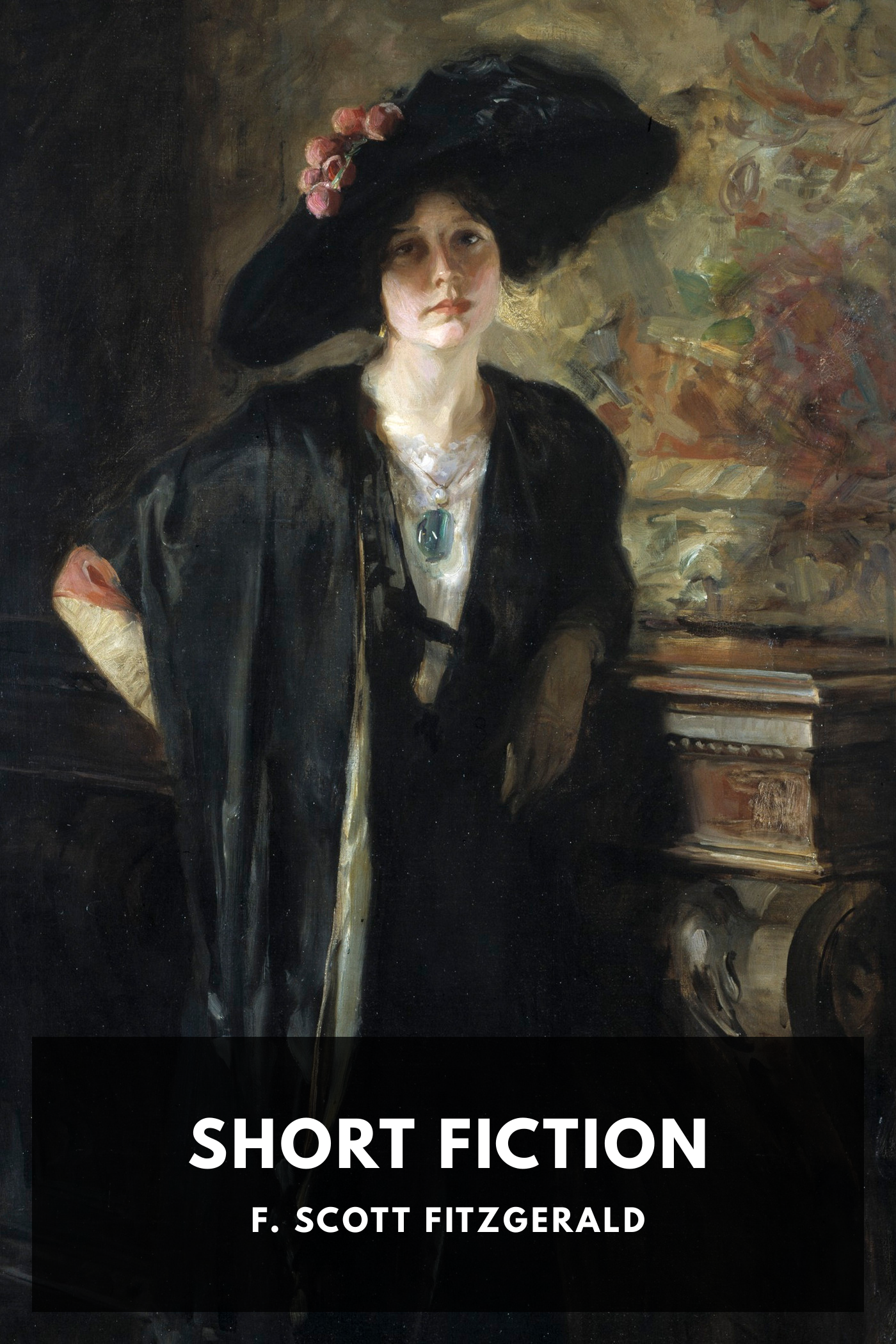
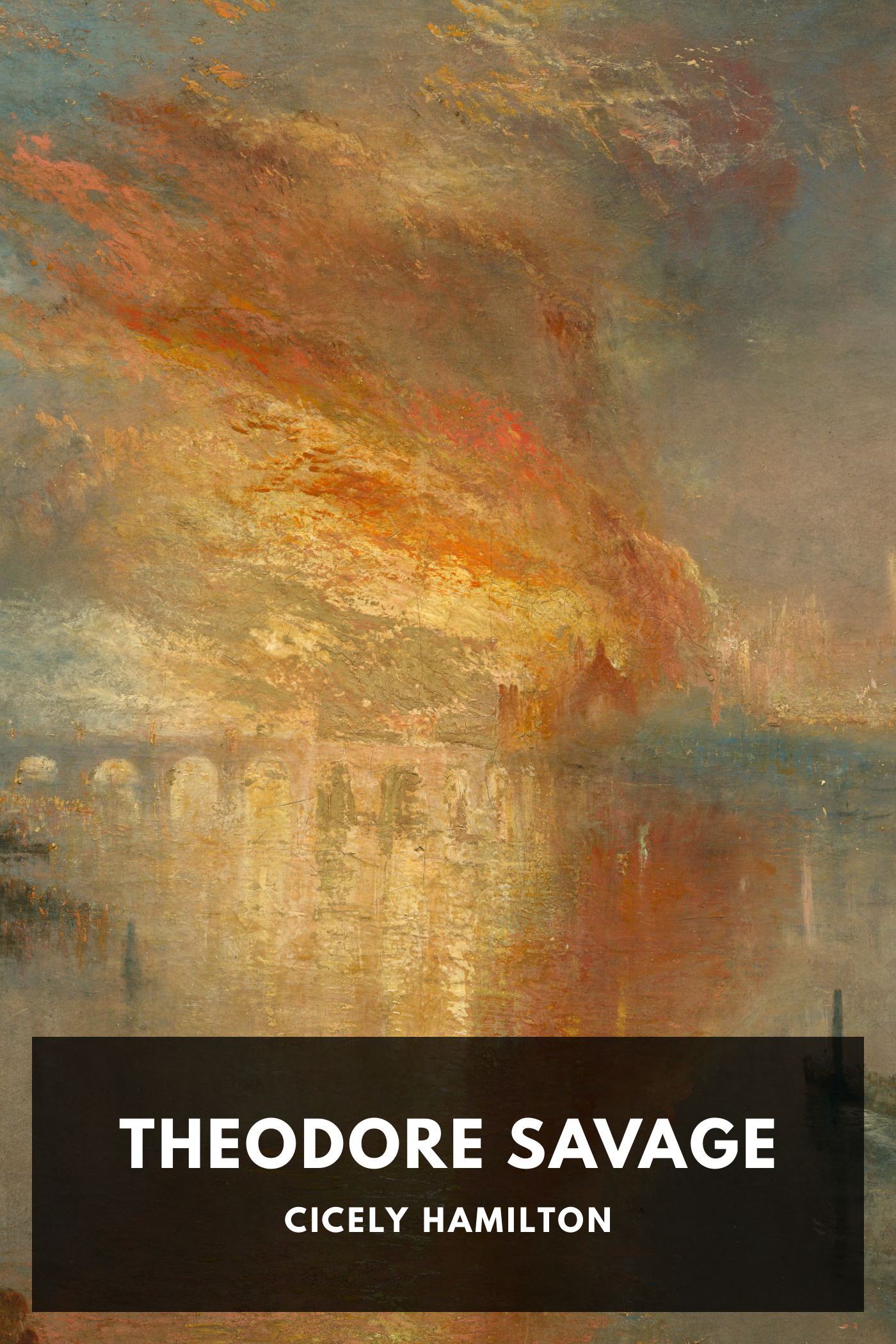
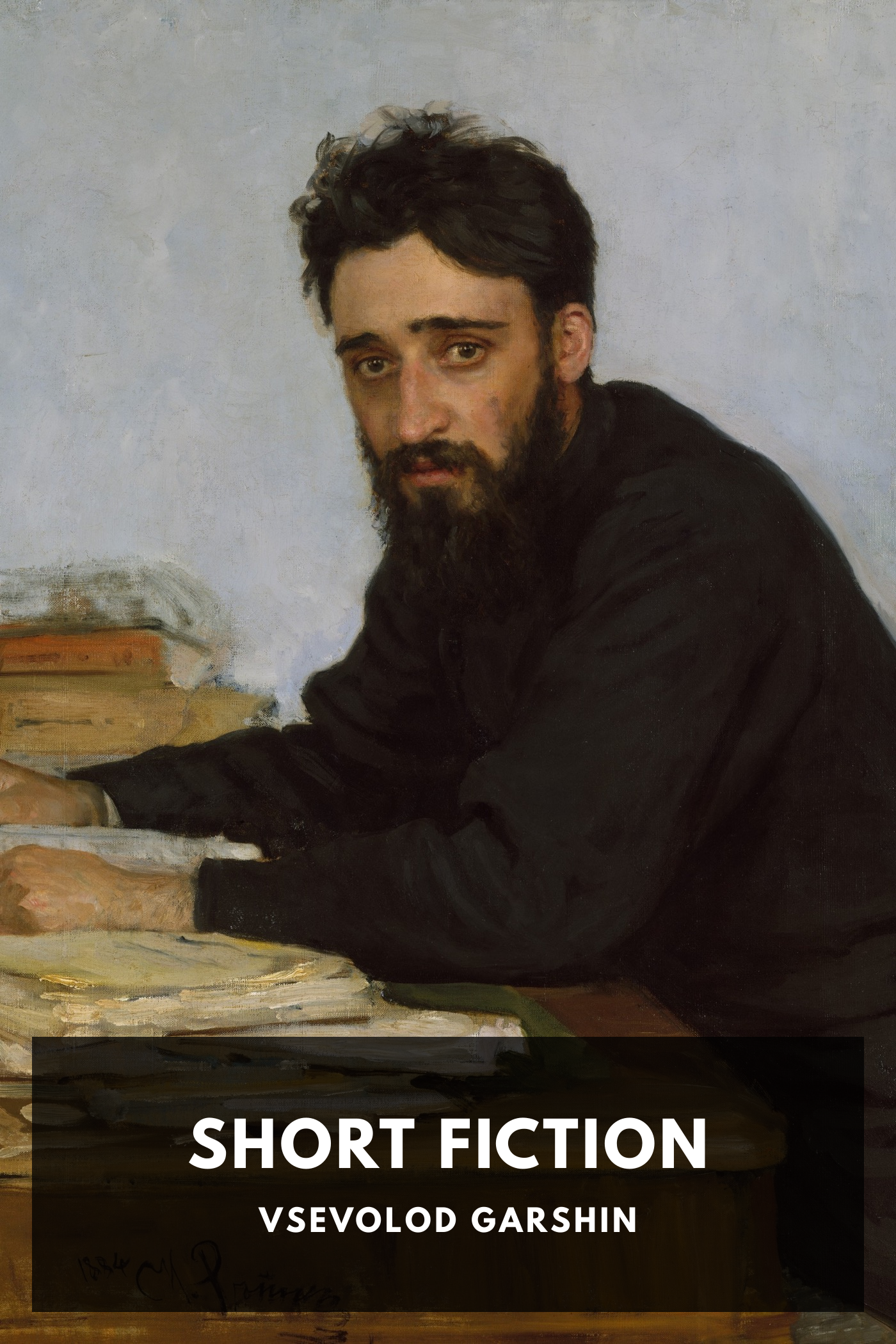
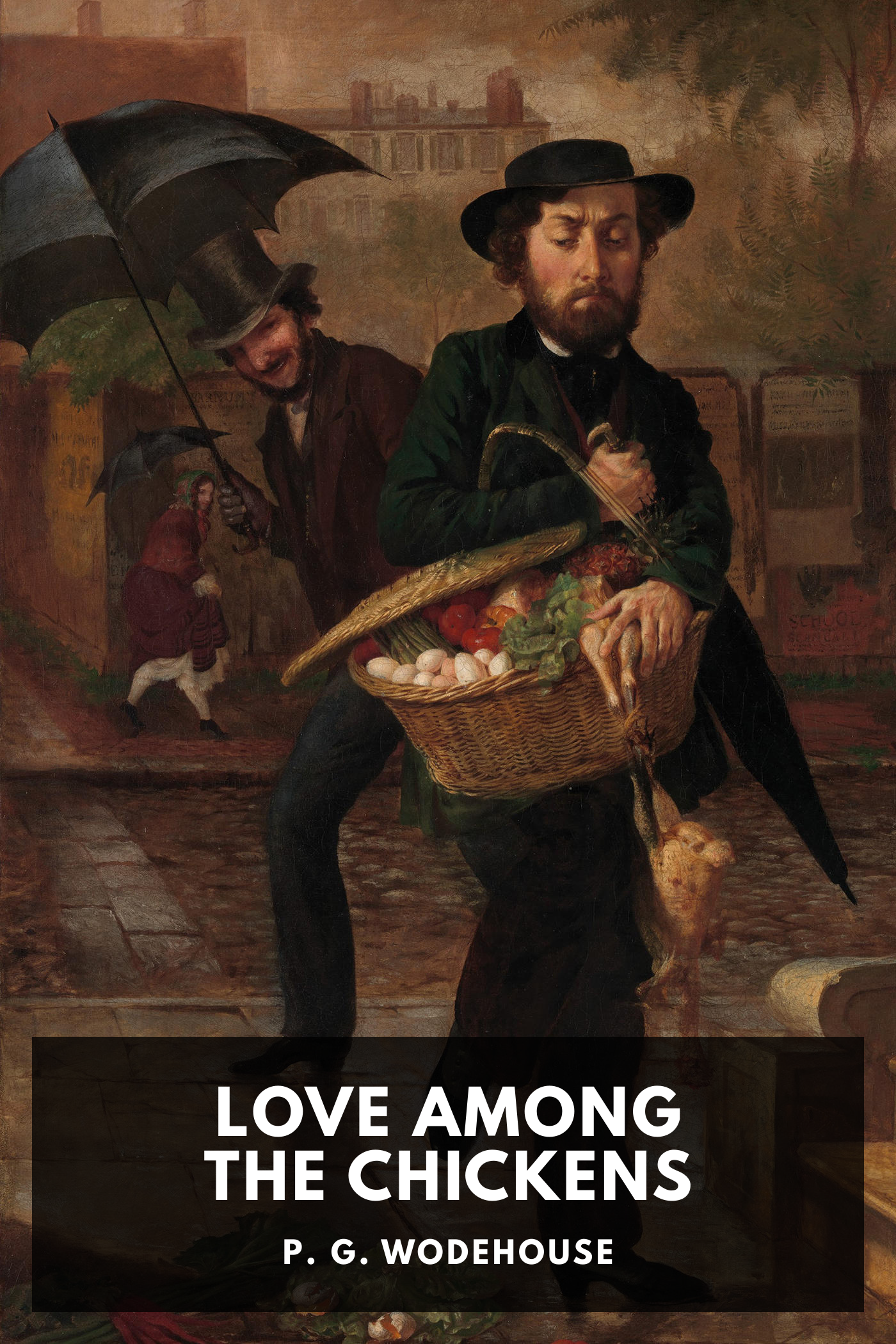
Branch a classic
Start from a book everyone knows.
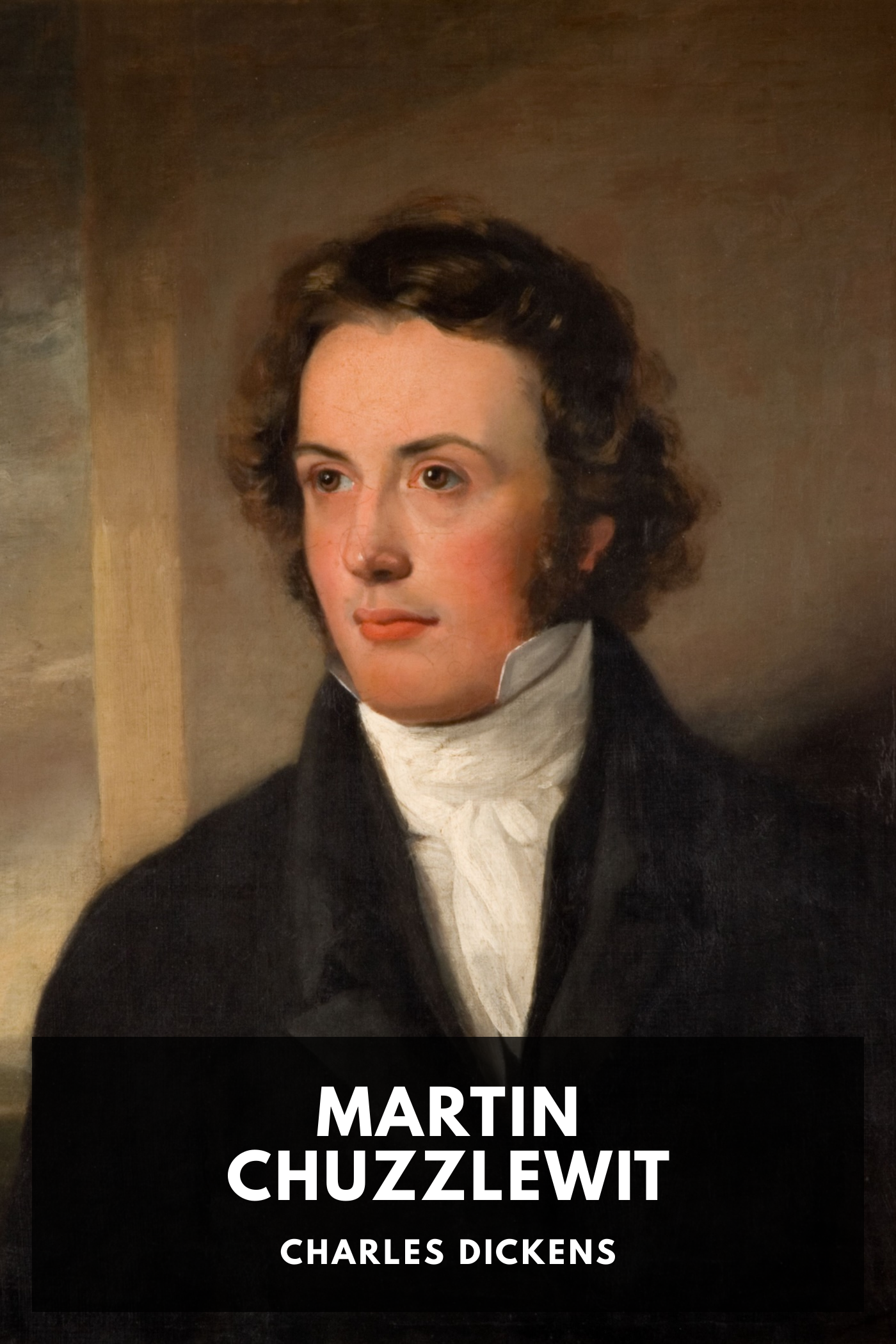
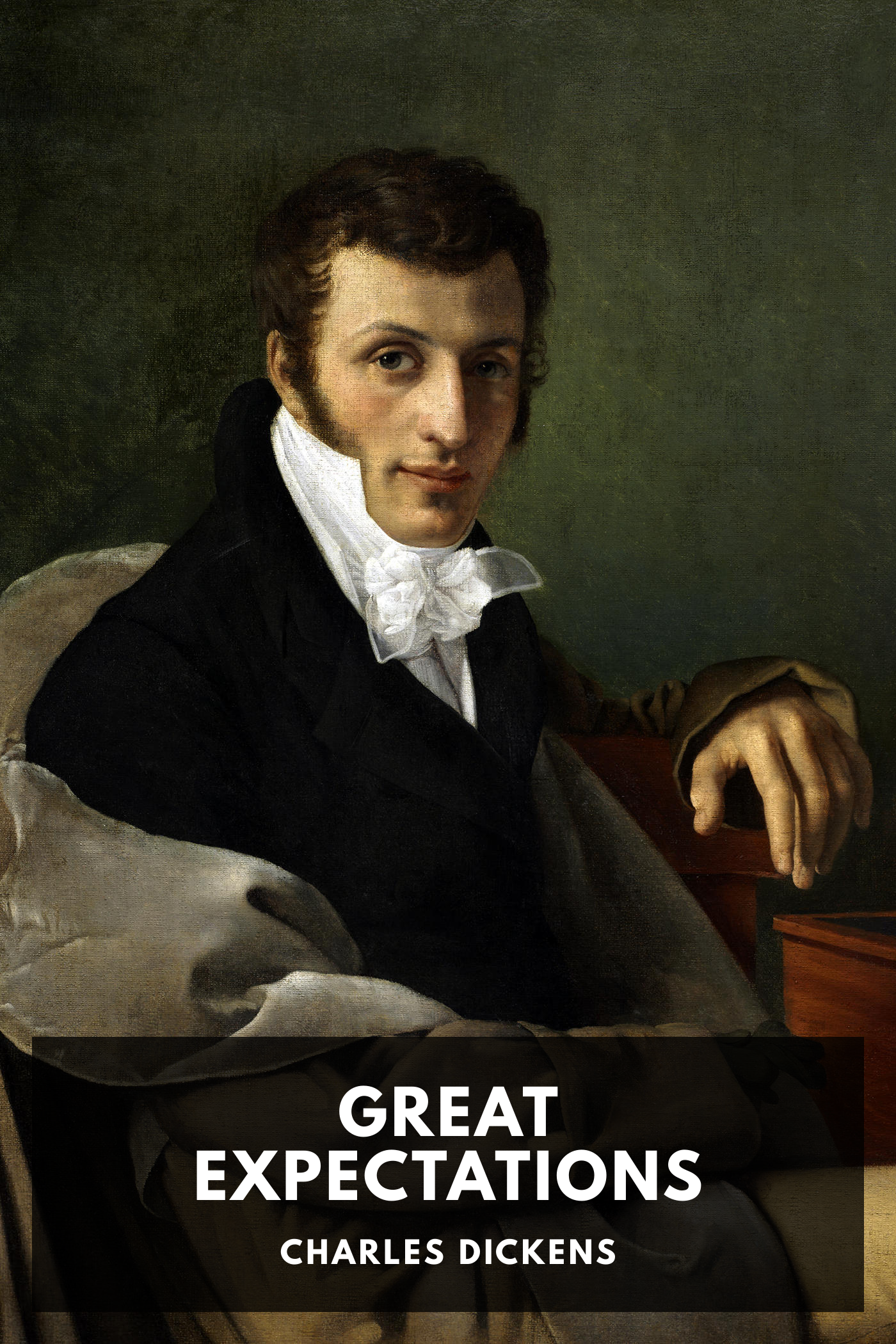
The library holds public-domain classics, ready to branch. Retell one from another side, or change a single word. In a Version of a public-domain classic, what you add stays yours.
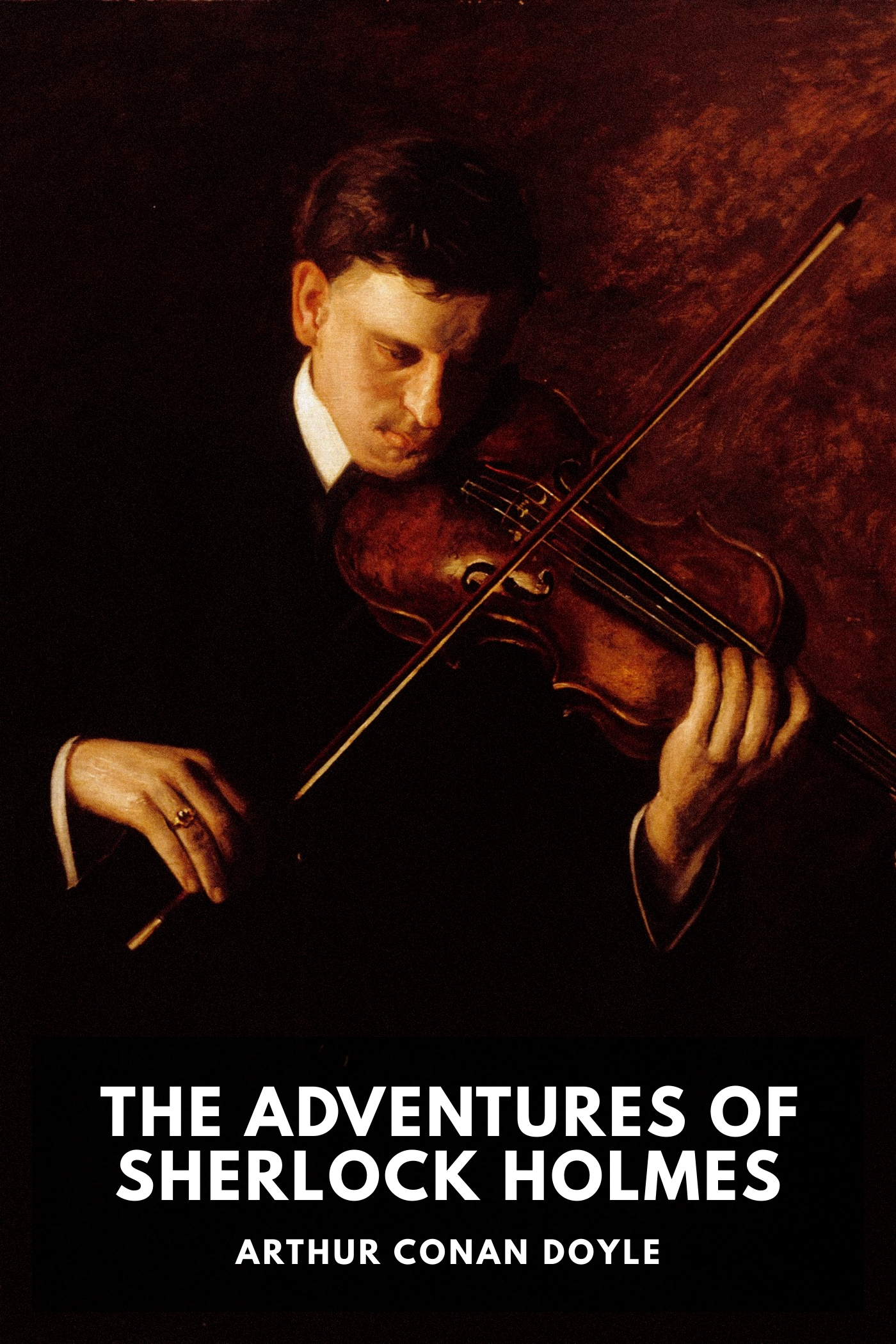
The Adventures of Sherlock Holmes
Arthur Conan Doyle
0 versions
“To Sherlock Holmes she is always the woman.”
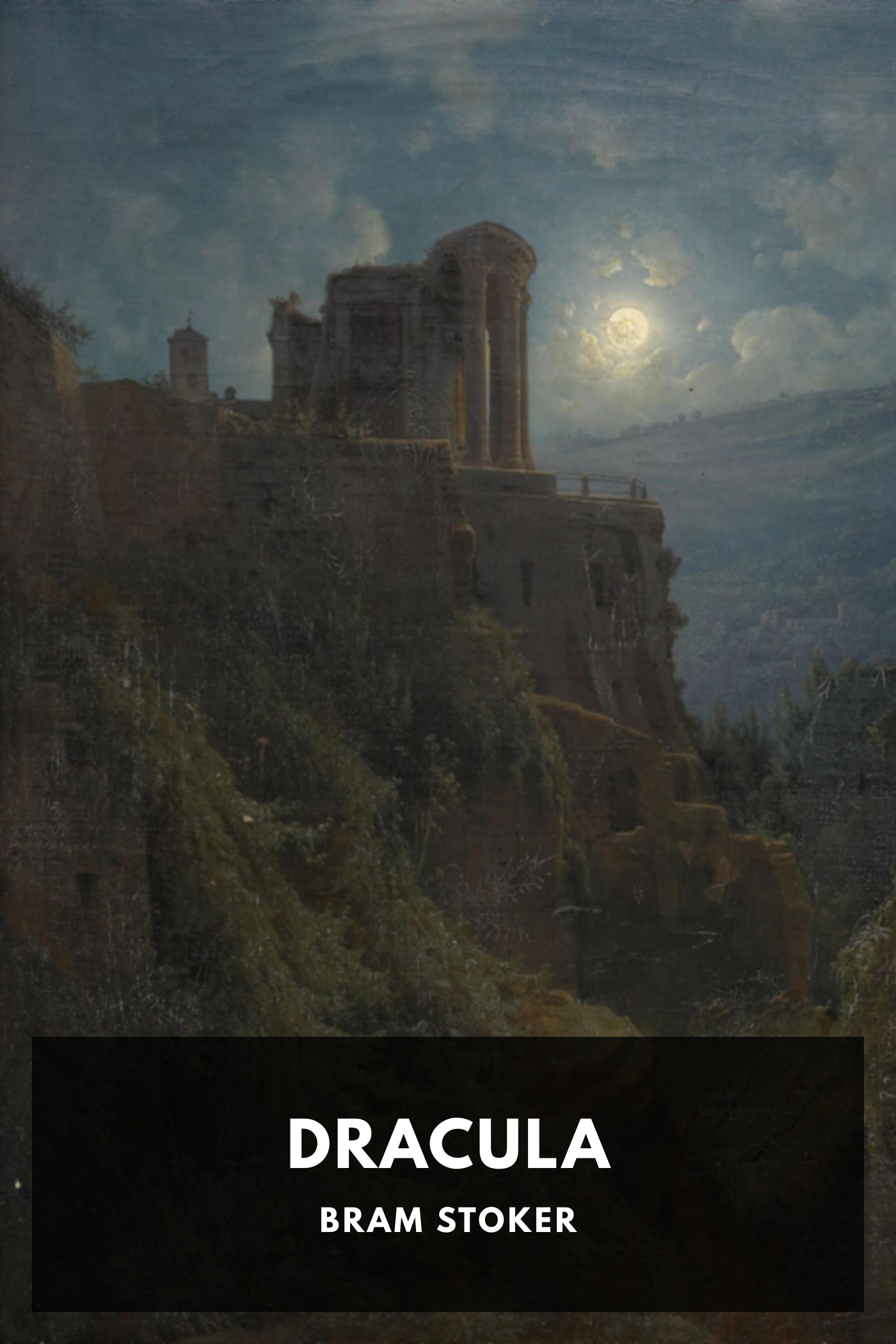
Dracula
Bram Stoker
0 versions
“Welcome to my house! Enter freely and of your own will!”
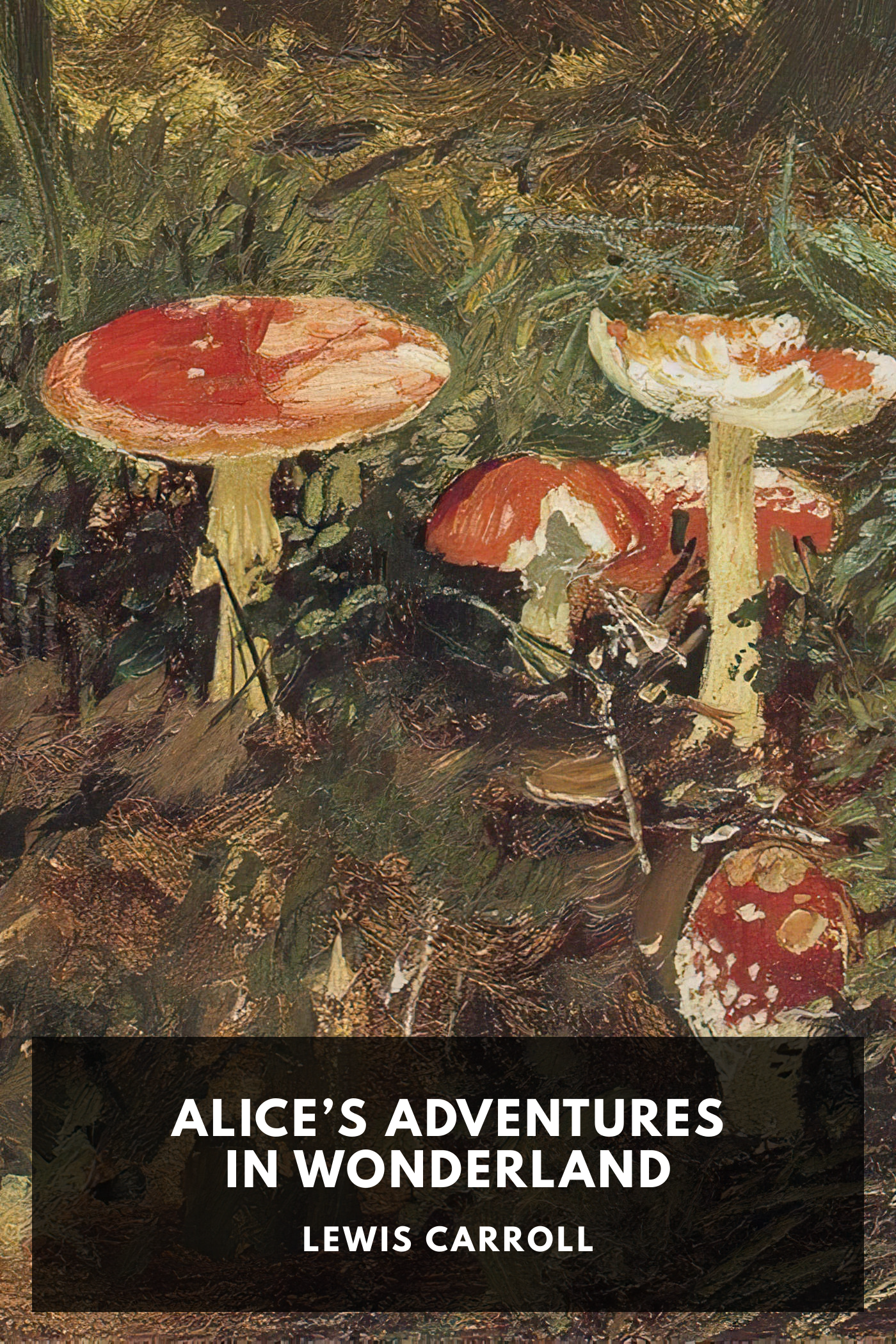
Alice’s Adventures in Wonderland
Lewis Carroll
0 versions
“Alice was beginning to get very tired of sitting by her sister on the bank, and of having nothing to do.”
Made for
However you write, there’s room.
Fanfiction and retellings
Branch a classic and tell it from the other side. Your Version sits beside the original instead of replacing it.
Dracula—told by Mina, written by you
Shared worlds
One owner keeps the Canon; many writers add chapters, side stories and fixes through merge requests.
One story, many writers
Solo novelists
Keep a private draft, publish chapter by chapter, and turn versioning off if you want the story to stay only yours.
Just you and the page
Papers, articles and essays
Short pieces, written alone or with others, citations and charts included. In a group, each person opens a Version and drafts their own section.
One paper, a Version per section
Crowdsourced journalism
Open a work on a question you want investigated. Contributors gather evidence and write up what they found, each in a Version, and you merge the findings that hold into the Canon.
One question, a dozen findings
Contracts and business documents
Publish the standard agreement as the Canon. Someone else opens a Version to fit their own situation, and it stays theirs: it is not merged back. Anyone in that same situation can read it, or branch it further.
The master lease, and the California one
Is Saenya free?
Yes. Saenya is currently free to use.
Is Saenya only for fiction?
No. Saenya is built with fiction in mind, from novels and short stories to fanfiction and retellings, but essays, articles, poems and other nonfiction work the same way: drafts, Versions and merge requests included.
Do I need an account to read?
No. Anyone can read public works. With an account, your place is saved so you can come back to the same page, and you can bookmark works and comment.
What are the Canon, a Version and a merge request?
The Canon is the owner's main version of a work: the one readers get when they open it. A Version is someone's own copy, where they can write freely. A merge request asks the owner to take the edits from a Version into the Canon.
Can someone change my work without my permission?
No. Only you decide what becomes part of your Canon. You can accept a merge request, ask for more edits, or decline it, and you choose who collaborates. If you turn versioning off, only you can create Versions or merge.
Who owns what I write?
You own your works. What you add to someone else's work belongs to that work's owner unless they say otherwise. The exception is the library's public-domain classics: in a Version made from one's Canon, what you add stays yours.
Can I keep a work private?
Yes. A work can be public or private, and what you write stays a draft that only you see until you publish a change.
What if I publish something I regret?
Published changes can be reverted, so you can take a work back to how it was before.
Your turn
Every work starts with one line.
Write the first one, or branch someone else’s.